UX and UI are related but not the same: what each discipline covers, which skills the role needs and why UX/UI design is a strong career choice in the UK.
User experience (UX) and user interface (UI) are two critical aspects of digital product design. UX/UI designers create digital products that are user-friendly and visually appealing. They have to balance form and function so that users’ needs are met while business objectives are achieved too. In this article, we explain what UX/UI is, what a UX/UI designer does, which key skills the role needs and whether UX/UI is a good career choice in the UK. We also outline the steps to becoming a UX/UI designer.
UX/UI refers to two different but complementary aspects of digital product design. UX design focuses on the user experience and aims to make a product easy to use, accessible and satisfying. This involves understanding user needs and designing an interface that meets them. UI design, on the other hand, focuses on the interface itself, making sure it looks attractive and is easy to use.
UX/UI designers create digital products that meet both user needs and business objectives. They balance design with functionality, so the product is both visually pleasing and practical. This requires careful thought about how users will interact with the product and how the product will achieve its intended goals. In the UK, accessibility also matters from a legal point of view: under the Equality Act 2010, businesses must make reasonable adjustments for disabled people, and shops that sell into the EU also need to consider the European Accessibility Act.
A UX/UI designer is a professional who specialises in designing digital products. They use their skills and knowledge to create interfaces that are easy to use and visually appealing. UX/UI designers work with user researchers and developers to create products that meet both user needs and business objectives.
A UX/UI designer is responsible for the interface, visual design and user experience of a digital product. They create wireframes, mock-ups and prototypes to communicate their ideas to stakeholders. They also carry out user research to understand user needs and develop design solutions that meet them.
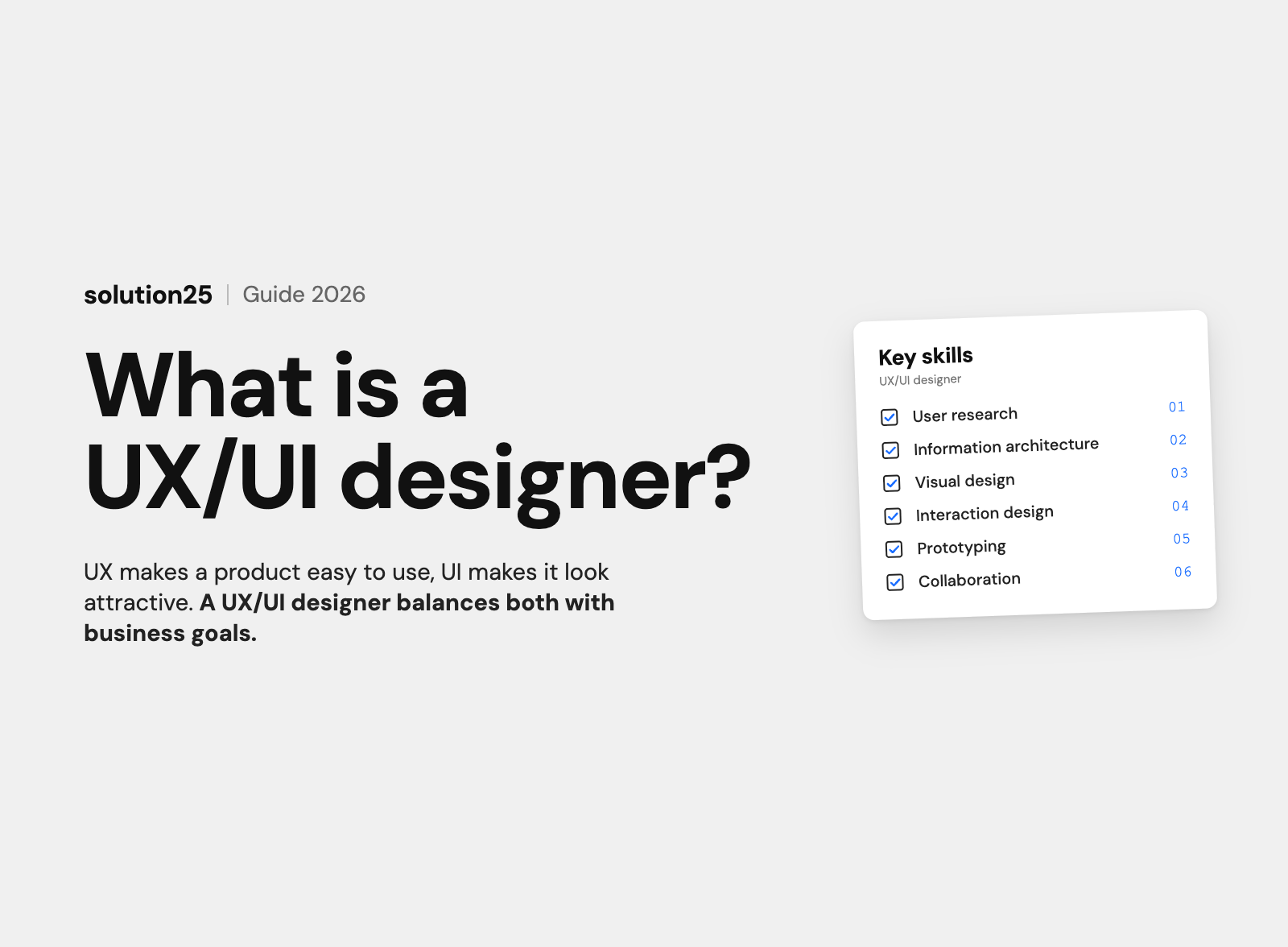
1. User research: UX/UI designers need a strong understanding of user needs and behaviour. This involves carrying out user research to understand how users interact with digital products and where their pain points are. 2. Information architecture: UX/UI designers need to know how to structure information and content. This involves creating site maps and wireframes to visualise the structure of a product. 3. Visual design: UI designers need a strong sense of aesthetics and must know how to create visual designs that appeal to users. 4. Interaction design: UX designers must understand how users interact with digital products and design interfaces that are easy and intuitive to use. 5. Prototyping: UX/UI designers must be proficient in prototyping tools and able to create high-fidelity mock-ups and prototypes. 6. Collaboration: UX/UI designers must work well in a team, collaborating with developers, product managers and other stakeholders to create the best possible product.
Yes, UX/UI design is an excellent career choice. Demand for designers who can improve digital products is strong across the UK, from agencies and start-ups to retailers and public sector organisations. Salaries vary considerably by region, seniority and sector, with London typically paying more than the rest of the country; for current figures, it is worth checking UK job boards and salary surveys.
UX/UI design is also a challenging and rewarding career. It requires a mix of creative and analytical skills, making it ideal for people who enjoy problem-solving and design.
Learn the basics: Start by learning the basics of UX/UI design. This includes understanding the principles of design, user experience and user interface. Get hands-on experience: Build a portfolio of design work that showcases your skills and abilities. You can do this through freelance work, internships or personal projects. Learn design tools: Become proficient in design tools such as Sketch, Figma, Adobe XD and other prototyping tools. These tools help you create high-fidelity mock-ups and prototypes to showcase your designs. Attend workshops and conferences: Attend UX/UI design workshops and conferences to learn from experts in the field and keep up to date with the latest trends and techniques. Get certified: There are several certification programmes for UX/UI designers, such as the Certified Usability Analyst (CUA) and Certified User Experience Professional (CUXP) certifications. Network: Attend networking events and connect with other designers and professionals in the industry. This can lead to job opportunities and valuable contacts. Keep learning: UX/UI design is a constantly evolving field, so it is important to stay up to date with the latest design trends, tools and techniques.
UX/UI design is a crucial aspect of digital product design, and UX/UI designers play a key role in creating products that are easy to use and visually appealing. They need a mix of creative and analytical skills and a strong understanding of user needs and behaviour.
UX/UI design is a growing field with excellent career prospects and opportunities for professional development. By learning the basics, gaining hands-on experience and staying up to date with the latest design trends, anyone can become a successful UX/UI designer. Want to know more? Talk to our Shopware experts, who also support online retailers in the UK.
Learn more about our expertise and solutions on our Shopware page, where we share valuable information for growing your e-commerce business.
